How to Pick the Right Activewear for Gym Workouts, Yoga, and Outdoor Running
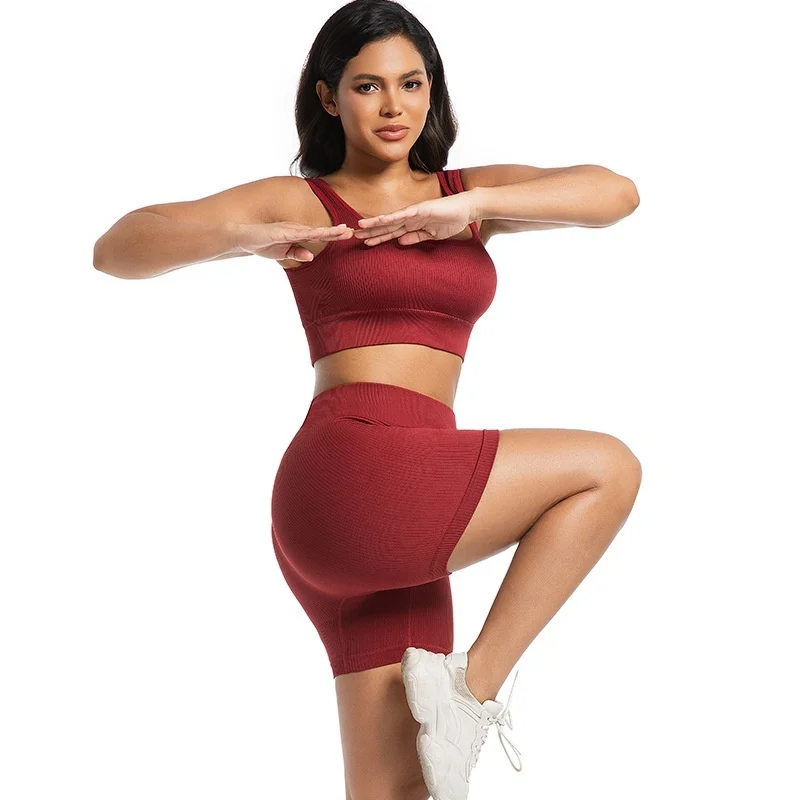
Whether you are lifting weights at the gym, stretching through a morning yoga flow, or heading out for an evening run, what you wear directly affects your comfort, focus, and performance. Well-designed activewear moves with your body, manages moisture efficiently, and keeps you supported from warm-up to cool-down.
Choosing the right workout clothes does not mean buying an entirely separate outfit for every exercise. By understanding how fabrics, fit, and support vary across different types of movement, you can build a versatile athletic wardrobe that works hard in every session.
Why Technical Fabrics Matter More Than Cotton for Workouts
While a classic cotton T-shirt feels great for lounging, cotton absorbs sweat and holds onto moisture, becoming heavy and cold during intense exercise. Modern performance fabrics are engineered to solve this exact problem:
- Moisture-wicking polyester and nylon blends: Pull sweat away from your skin to the outer surface of the fabric where it evaporates quickly, keeping you dry and comfortable.
- Spandex and elastane: Provide four-way stretch so leggings, shorts, and tops move effortlessly with your body without restricting range of motion or losing their shape.
- Breathable mesh panels: Strategically placed ventilation zones allow excess heat to escape during high-intensity training.
1. Best Activewear for Gym Workouts and Strength Training
Gym sessions combine dynamic movements—such as squats, lunges, overhead presses, and cardio intervals—that demand durability, coverage, and secure fit.
- High-waisted, squat-proof leggings or training shorts: Look for opaque, mid-weight compression fabrics with a wide waistband that stays securely in place without rolling down when you bend or lift.
- Fitted breathable tops or seamless T-shirts: Streamlined cuts prevent excess fabric from catching on gym equipment while allowing full shoulder mobility.
- Medium-to-high-support sports bras: Essential for keeping movement comfortable during circuit training, rowing, or treadmill warm-ups.
2. What to Wear for Yoga, Pilates, and Mobility Sessions
Low-impact studio workouts prioritize flexibility, body awareness, and distraction-free comfort.
- Buttery-soft, four-way stretch leggings: Ultra-soft brushed nylon or modal-spandex blends feel like a second skin and allow deep stretches without pinching at the knees or waist.
- Flatlock seams: Smooth, flat stitching prevents chafing when lying on a yoga mat during floor exercises.
- Light-support bralettes and fitted tanks: Avoid loose, oversized shirts that fall over your face during downward poses, and skip zippers or hard clasps on the back that could press uncomfortably against the mat.
3. Essential Gear for Outdoor Running and Walking
Exercising outdoors means adapting to changing temperatures, wind, and varying light conditions.
- Lightweight, anti-chafe shorts or running tights: Look for smooth inner seams and convenient zippered pockets to securely hold keys, a card, or your phone while moving.
- Supportive running sneakers: Choose cushioned athletic shoes with breathable mesh uppers and responsive soles designed to absorb repetitive impact on pavement or trails.
- Smart layering pieces: A lightweight moisture-wicking long-sleeve top or a breathable zip-up track jacket lets you start warm on cool mornings and easily adjust as your body heats up.
4. Three Quick Checks Before Buying New Activewear
Keep these practical tips in mind whenever adding new workout essentials to your rotation:
- Do the stretch and movement test: Bend, squat, and reach overhead to ensure waistbands stay put, straps do not dig in, and fabrics remain fully opaque under bright light.
- Check seam placement: Smooth, flat seams around the inner thighs, underarms, and shoulders dramatically reduce irritation during longer sessions.
- Choose versatile mix-and-match colors: Core shades like black, navy, charcoal, olive, and muted neutrals let you pair any top with any pair of leggings or shorts effortlessly.
5. How to Care for Performance Activewear
Technical stretch fabrics last much longer when washed properly:
- Wash inside out in cold water: Cold cycles protect elastane fibers and keep colors vibrant.
- Skip fabric softener: Fabric softeners leave a waxy coating on synthetic fibers that blocks their moisture-wicking ability and traps odors.
- Air dry whenever possible: Hanging activewear to dry prevents heat damage and keeps waistbands and sports bras supportive for years.
Final Thoughts
The best activewear is the kind you forget you are wearing once your workout begins. By choosing breathable, moisture-wicking fabrics and fits tailored to how you love to move, you will feel confident, supported, and motivated every time you step into your workout routine.
